Oil & gas
ArticleTurnaround Connectivity: Private 5G for Oil & Gas and Chemical Plants
Mobile private 5G, on-prem push-to-talk, and edge AI safety coverage deployed with your crew — before the first turnaround permit is pulled.
Resources
Perspectives from the field — turnaround connectivity, private 5G deployment lessons, workforce safety technology, and what we learn deploying across industrial environments.

Oil & gas
ArticleMobile private 5G, on-prem push-to-talk, and edge AI safety coverage deployed with your crew — before the first turnaround permit is pulled.

Construction
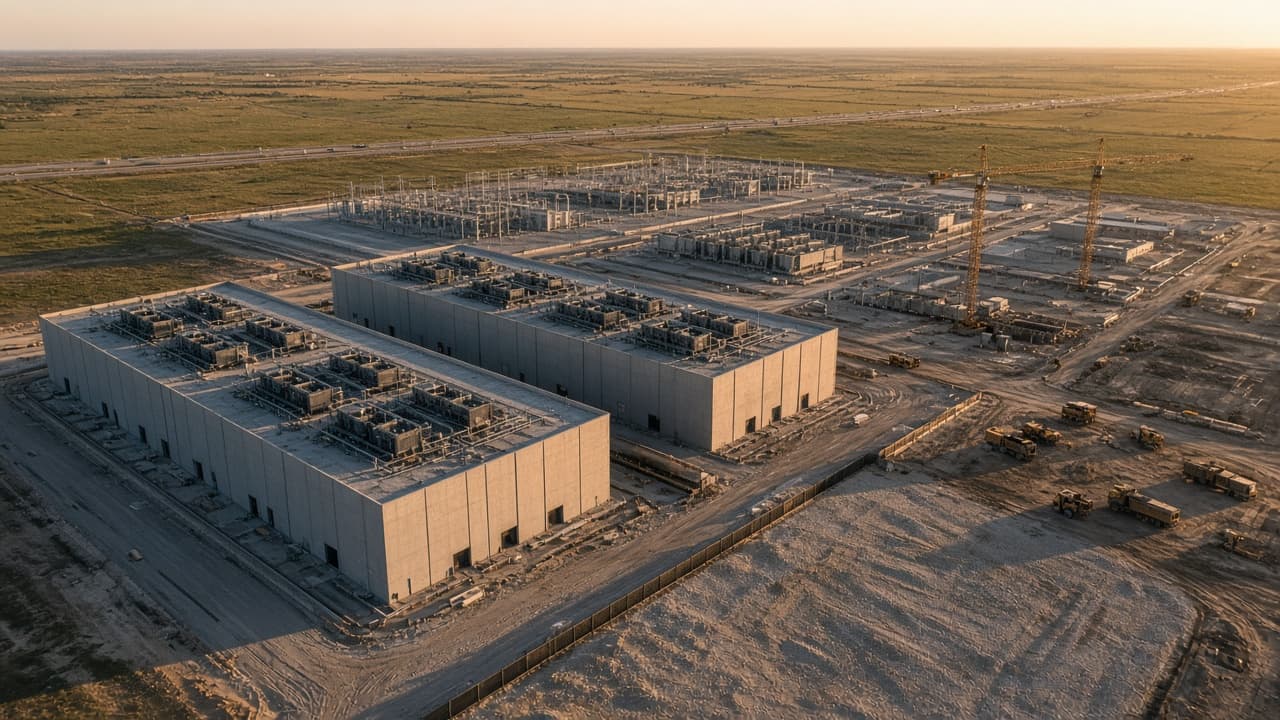
ArticleLarge construction projects move faster than carrier coverage rollouts. Here's how a mobile private 5G platform gives you connected workers, IoT sensors, site security, and drone comms from the day crews break ground.

Events
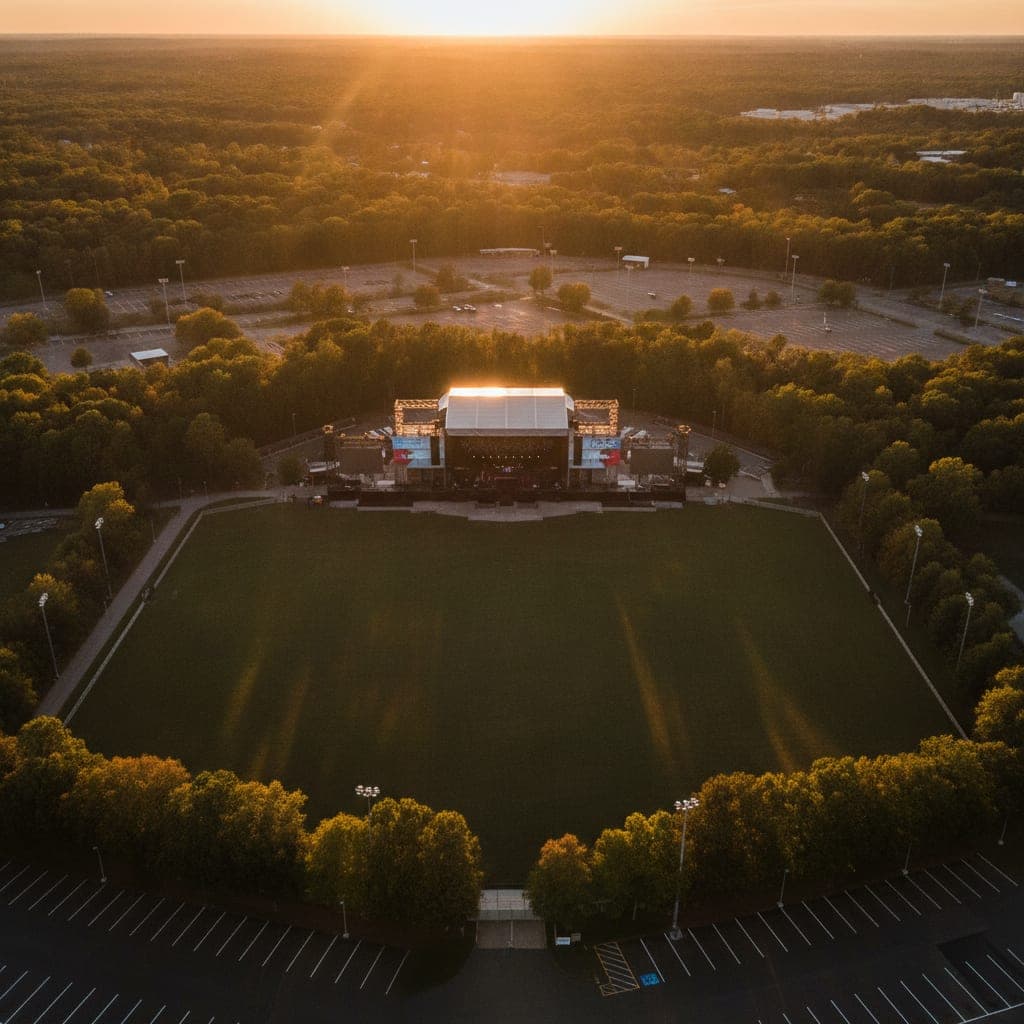
ArticlePublic cellular saturates the moment gates open. Production crews lose contact, vendors can't process payments, and broadcast feeds drop frames. Here's how a private ops network keeps the people running the event connected — regardless of what the crowd does to the carrier.

Emergency response
ArticleWhen a hurricane, major storm, or industrial incident takes down carrier infrastructure, the agencies and enterprises that had a retainer-based mobile command platform ready activate in hours. Everyone else waits in line.

Utilities
ArticleUtility restoration crews work in the areas the storm hit hardest — which are also the areas with the most damaged carrier infrastructure. Here's how a deployable private network basecamp solves that problem without a capital program.

Oil & gas
ArticleRemote Permian Basin wellpads, pipeline ROW, and mining sites don't have carrier signal by design — they're in places nobody built infrastructure for. Here's how private 5G and satellite backhaul deliver worker safety comms, SCADA connectivity, and site security where the carrier never arrived.

Aviation
ArticleMost regional and general aviation airports run on a single carrier line with no backup. When it fails, FBO operations, ground communications, and passenger services go dark. Here's what a contractual backup that shares nothing with your primary network actually looks like.

Broadcasting
ArticleTraditional satellite trucks are expensive, require weeks of advance booking, and are overkill for most live event production. Bonded cellular fails when 20,000 phones saturate the venue. Here's what a dedicated LEO satellite uplink with production-isolated spectrum actually looks like for live coverage in Texas.

All
ArticleIndustrial environments — process areas, confined spaces, pipe racks, remote pads — kill carrier LTE signal in exactly the places workers are most at risk. Connected worker safety systems that depend on that signal aren't actually functional where they're needed most.

All
ArticleA carrier temporary tower takes 4–12 weeks to deploy, shares spectrum with everyone around it, and hands control of your site network to the carrier. A private 5G network on CBRS Band 48 deploys in one hour from the Mobile Connectivity Unit — on dedicated spectrum the operator controls. Here's what that difference means in practice.

All
ArticleCloud-dependent video analytics fail when connectivity degrades — exactly the conditions where industrial safety monitoring matters most. Here's how edge AI inference running on GPU compute at the site delivers real-time safety detections without cloud round-trip latency, data sovereignty concerns, or a six-figure permanent installation commitment.

Oil & gas
ArticleTemporary industrial networks — TAR connectivity, construction site deployments, remote operations — are routinely deployed with no OT/IT segmentation and no network visibility. A private 5G network enforces that boundary architecturally, enables passive OT asset discovery without disrupting control systems, and produces an audit-ready device inventory for the duration of the operation.

Oil & gas
ArticleA Gulf Coast refinery spent six figures on an electronic permit-to-work system. During the last TAR, workers were printing permits in the site office and carrying paper into the process unit because the tablets lost connectivity 50 feet from the trailer. The ePTW investment is real. The network that makes it work in the field was never part of the plan.

All
ArticleThe vendor offering a free RF walkthrough has a commercial interest in one outcome: selling you their equipment. The paid site survey produces an RF coverage map, a VLAN architecture, a device provisioning scope, and a named engineer whose name is on the plan when the TAR starts. Here's what the difference looks like in practice.

All
ArticleThe Clover IQ Mobile Connectivity Unit is a purpose-built platform that deploys private 5G, edge AI, video analytics, push-to-talk, and a mobile control room to industrial sites in one hour. Here's what it is, how it works, and why it exists.

All
ArticleThe hardware drop-off model for industrial connectivity fails in predictable ways: nobody who owns the outcome is on-site, nobody responds in 30 minutes when the network goes down during the night shift, and nobody produces the device inventory the security team needs at closeout. Here's what operated service means and why it matters for industrial operations.