Every refinery, chemical plant and gas processing site has a drawing that splits the plant into hazardous and non-hazardous areas. Most people on site never look at it. Then someone orders a pallet of tablets, and the first question from safety is whether they are Div 1 or Div 2.
That one letter-and-number pair decides what hardware you can buy, what it costs, and where it can go. Here is what it means.
The short answer
Class I covers locations where flammable gases or vapors may be present. Division 1 means the hazard can exist under normal operating conditions; Division 2 means it is expected only under abnormal conditions, such as a leak. Devices used in Division 1 areas need a higher level of protection, typically intrinsically safe certification.
Class, Division and Group Explained
In North America, the National Electrical Code (NEC Article 500) and the Canadian Electrical Code describe a hazardous location with three labels. Each one answers a different question.
Class: what is in the air?
- Class I: flammable gases or vapors, such as natural gas, propane, gasoline vapor and hydrogen. This is the class that matters for most oil, gas and chemical sites.
- Class II: combustible dust, such as coal, grain, flour and some metal dusts.
- Class III: ignitable fibers and flyings, such as cotton lint and sawdust.
Division: how likely is it to be there?
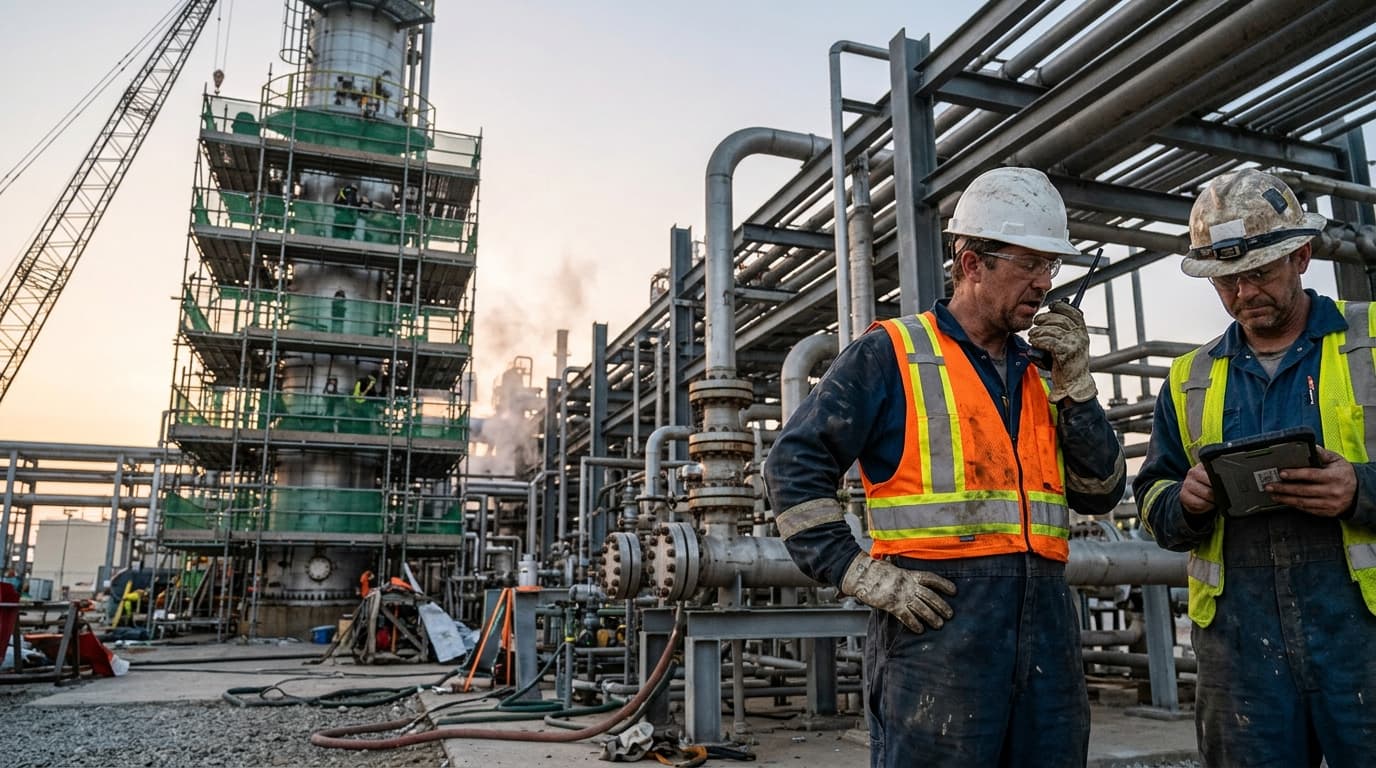
- Division 1: ignitable concentrations can exist during normal operation, during routine maintenance or repair, or because of a failure that could also make electrical equipment fail. Think open vents, pump seals, loading racks and the inside of process enclosures.
- Division 2: the material is normally contained in closed piping and vessels, and only escapes through an abnormal event such as a gasket failure or ventilation failure. Division 2 also covers the buffer around many Division 1 areas.
The difference is about probability, not severity. A Division 2 release can be just as explosive as a Division 1 release. It is simply less likely to be present when your device is.
Group: which material?
Gases ignite at different energies, so Class I is split into Groups A to D. Group A is acetylene, Group B is hydrogen, Group C covers materials like ethylene, and Group D covers propane, gasoline and natural gas. A device must be rated for the group present. Most hydrocarbon areas are Group D, but hydrogen units in a refinery are Group B, and that rules out many devices.
Labels also carry a temperature class (T-code). It sets the maximum surface temperature of the device, from T1 (450°C) down to T6 (85°C). The T-code must be below the auto-ignition temperature of the gas. T4 (135°C) is common on mobile devices and covers most hydrocarbons, but not all.
Zones (0/1/2) vs Divisions
Most of the world uses Zones under the IEC 60079 standards, and the European ATEX directive uses the same model. The NEC also allows Zones through Article 505. Instead of two levels of likelihood, Zones use three:
- Zone 0: an explosive atmosphere is present continuously or for long periods, such as inside a tank vapor space.
- Zone 1: an explosive atmosphere is likely to occur in normal operation.
- Zone 2: an explosive atmosphere is not likely in normal operation and, if it occurs, lasts only a short time.
The rough mapping is that Division 1 covers Zone 0 and Zone 1, and Division 2 lines up with Zone 2. That is why Zone 1 is not quite the same as Division 1: Division 1 also includes the worst-case Zone 0 conditions. Dust uses Zones 20, 21 and 22 in the same way.
Gas groups are also named differently. Zone labels use IIA (propane-like), IIB (ethylene-like) and IIC (hydrogen and acetylene). IIC is the most demanding, so a IIC device covers IIB and IIA atmospheres too.
What It Means for Tablets, Phones and Radios
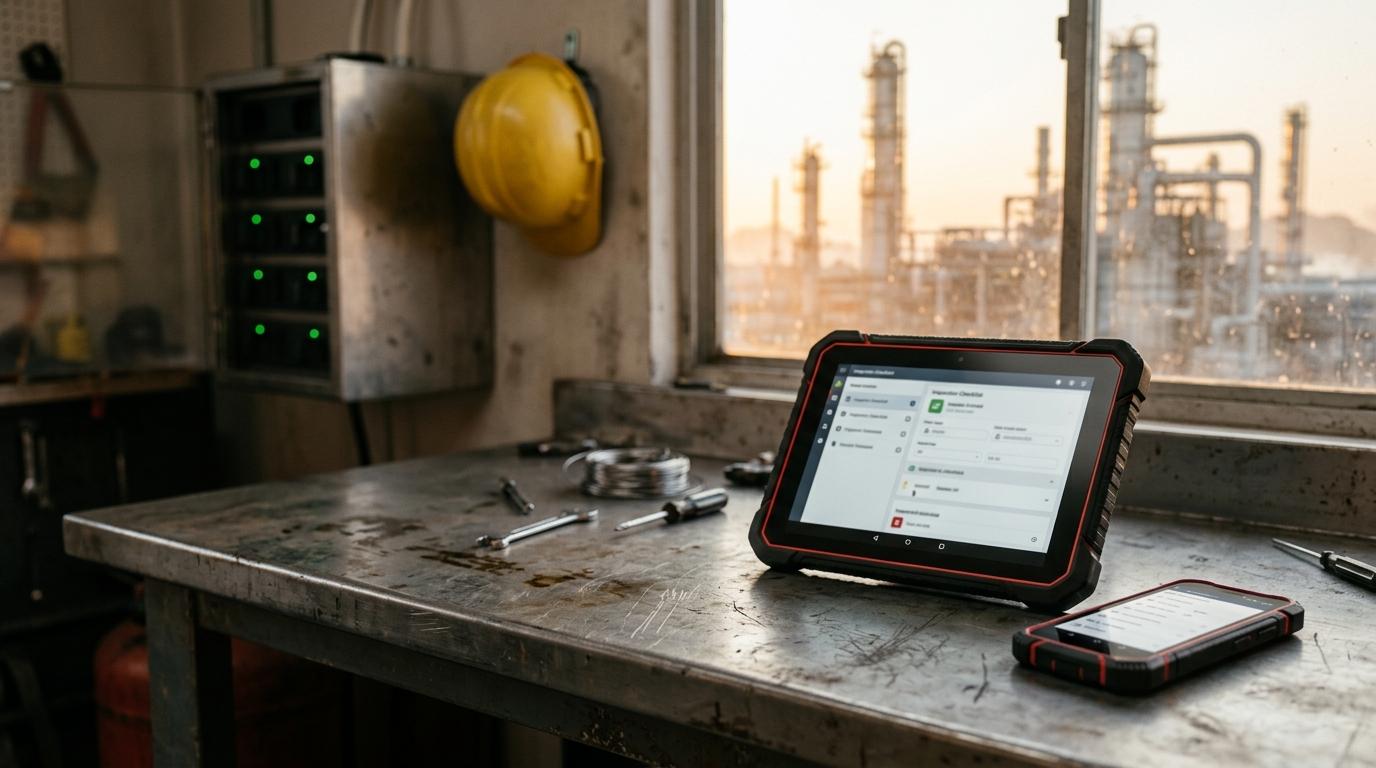
A phone or tablet is a battery, a processor and a screen in a sealed case. Any of those can produce a spark or a hot surface. The protection method is what changes between divisions.
Division 2 / Zone 2 devices
Usually certified as nonincendive (NI): in normal operation the device cannot release enough energy to ignite the atmosphere. Many rugged phones and tablets from mainstream manufacturers carry a C1D2 or Zone 2 rating. They look and feel like normal devices, run standard Android or Windows, and cost a modest premium over a rugged non-certified unit.
Division 1 / Zone 1 devices
Usually certified as intrinsically safe (IS): energy is limited so that even with faults inside the device, it cannot cause ignition. That takes purpose-built hardware: current-limited batteries, encapsulated circuits and tighter thermal design. Expect a smaller choice of models, longer lead times, a higher price and some compromises on screen brightness, charging speed or camera.
Two-way radios
Radios have their own intrinsic safety standard in North America, TIA-4950, alongside UL 913 and the IEC Ex ia and ib methods. Hazardous-area radio models are rated as a full kit, so the battery, antenna and audio accessories have to be the certified parts listed with that radio.
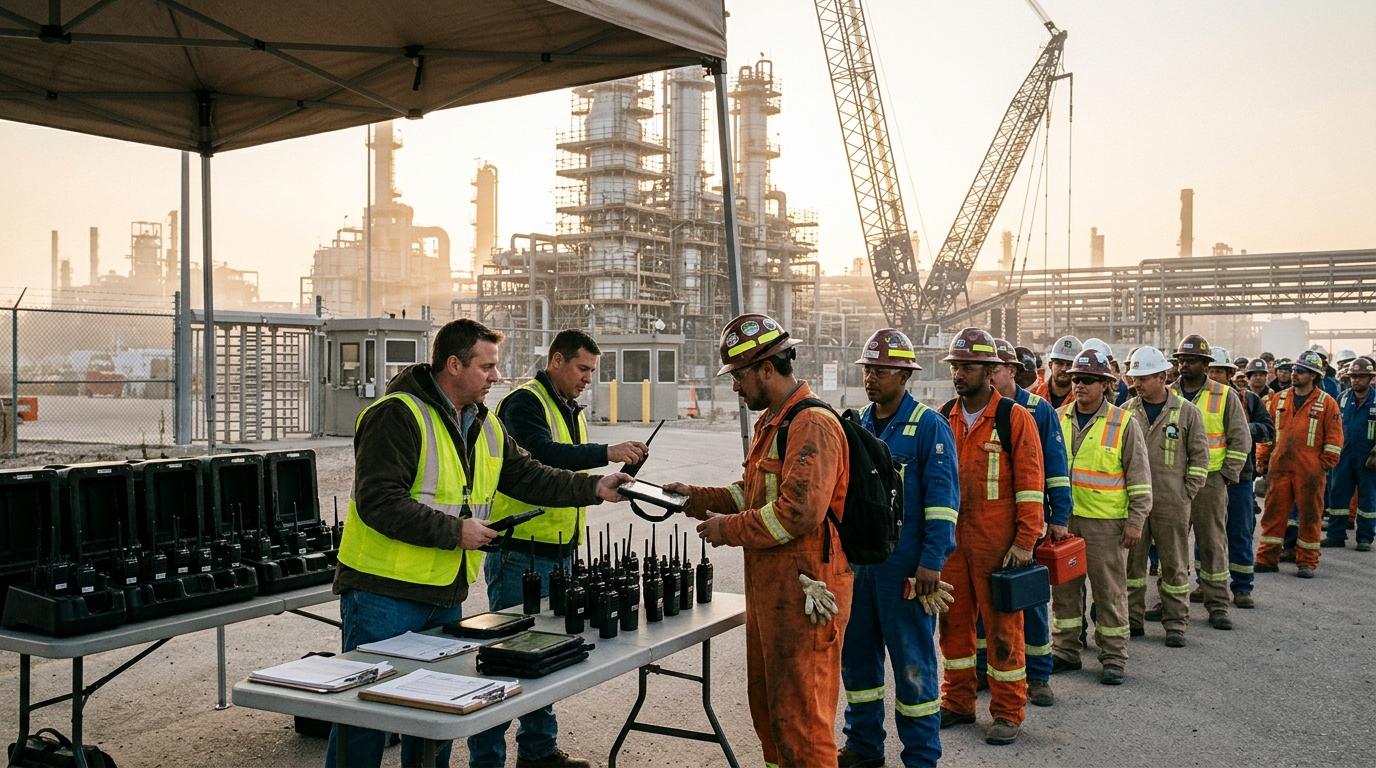
The practical rule: a Division 1 device can be used in Division 2 for the same class, group and temperature code. A Division 2 device cannot go into Division 1. Many sites buy Division 2 hardware for most workers and a smaller pool of Division 1 units for operators and technicians who work inside the Division 1 boundary. That split keeps cost under control. It also means two hardware lines to manage, which is where managing intrinsically safe devices becomes the real job.
Reading a Device Certification Label
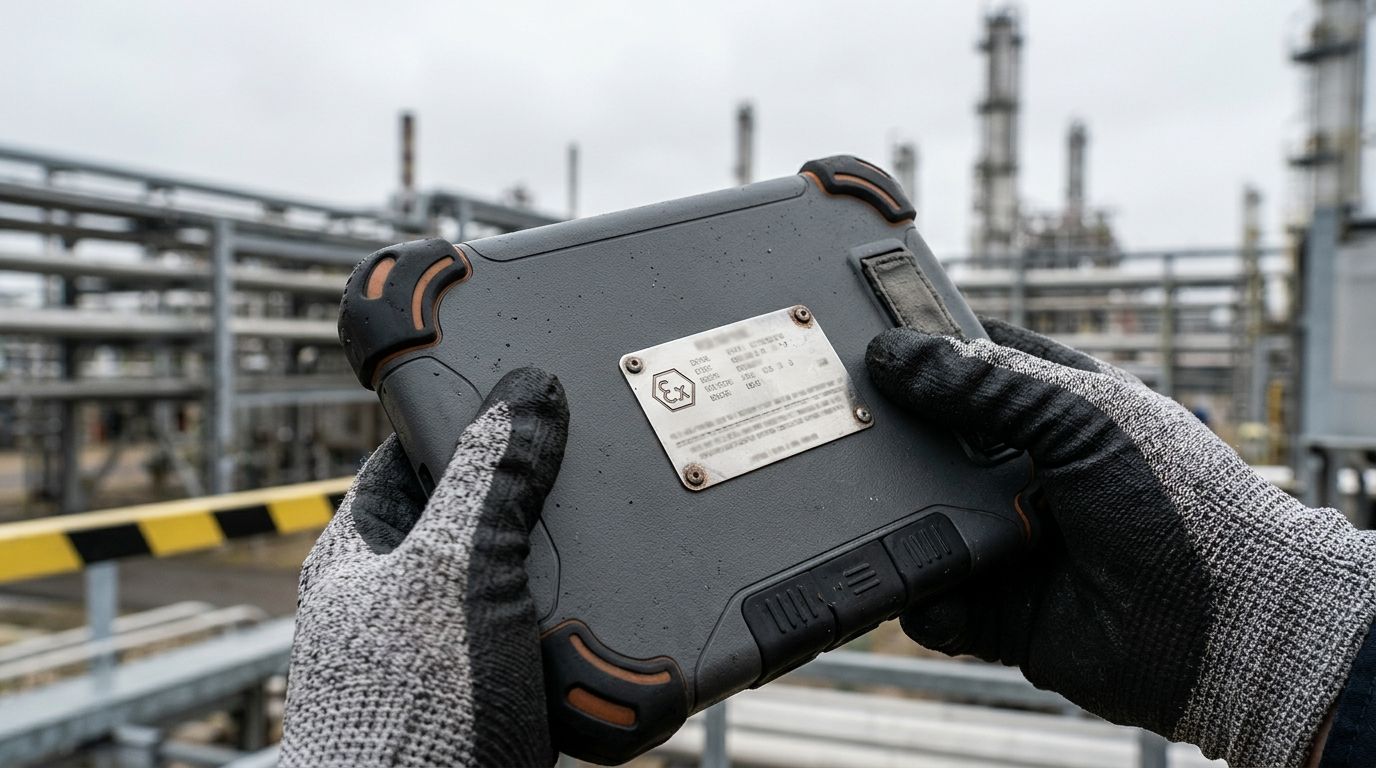
The certification is printed on the device, usually under the battery or on the back. A label on an intrinsically safe phone might read:
- Class I, Division 1, Groups A, B, C, D T4. North American Division marking: Class I gas, Division 1, all four gas groups, maximum surface temperature 135°C.
- Class I, Zone 1, AEx ib IIC T4 Gb. North American Zone marking. "AEx" means certified to US standards, "ib" is intrinsic safety suitable for Zone 1, IIC is the gas group, and "Gb" is the equipment protection level for Zone 1.
- II 2 G Ex ib IIC T4 Gb. ATEX marking for Europe. "II" is surface industry, "2" is the category for Zone 1, and "G" means gas.
- Ta -20°C to +55°C. The ambient temperature range. Outside it, the certification does not apply.
- Certification mark and certificate number. A Nationally Recognized Testing Laboratory mark such as UL, CSA, FM or Intertek for North America, or an ATEX or IECEx certificate number.
A quick read: Division or Zone number tells you where it can go, the group tells you which gases, the T-code tells you which gases by temperature, and the certification mark tells you who tested it. Check all four against the area classification drawing, not just the first line. For Zone markings, "ia" and "Ga" mean Zone 0 capable, "ib" and "Gb" mean Zone 1, and "ic", "ec" or "Gc" mean Zone 2 only.
Common Mistakes
Treating rugged as intrinsically safe
IP68 and MIL-STD-810 describe water, dust and drop resistance. They say nothing about ignition. A rugged phone with no hazardous-area marking is a standard phone in a tough case, and it does not belong inside a classified area.
Ignoring the group and the T-code
A device rated Group D only is not safe in a hydrogen area. A T4 device is not safe near a gas whose auto-ignition temperature is below 135°C. The division is only one of the three checks.
Assuming Zone 1 equals Division 1
Under the NEC, equipment marked for Zone 0 can be used in Division 1, but Zone 1 marked equipment is not automatically acceptable there. Check with your site electrical authority before mixing Zone and Division hardware.
Assuming an ATEX certificate is enough in the US
ATEX is a European directive. In the United States and Canada, equipment in classified areas generally needs a listing from a recognized lab under North American standards. Many devices carry both, but check before you ship a European fleet to a Gulf Coast plant.
Voiding the certification with accessories
A non-certified battery, case, charger, earpiece or USB cable can void the rating. So can a repair by an unauthorized shop. Charging is usually only allowed outside the hazardous area. Write approved accessories into your fleet standard and enforce it.
Letting the device drive the classification
The area classification comes first and the device follows it. Buying Division 2 devices because they are cheaper, then hoping workers stay out of Division 1, is how an uncertified device ends up next to a pump seal.
This article is an orientation, not engineering or legal advice. Your site area classification drawings, the NEC or local code, and your safety and electrical team are the authority.
Questions from the Field
Can a Division 2 device be used in a Division 1 area?
No. A Division 2 device is only protected against ignition during normal operation, and Division 1 areas can contain an ignitable atmosphere during normal operation. The reverse works: a Division 1 device can be used in Division 2 for the same class, group and temperature code.
Is Zone 1 the same as Division 1?
Not exactly. Division 1 covers both Zone 0 (hazard present continuously) and Zone 1 (hazard likely in normal operation). Division 2 lines up closely with Zone 2. Under the NEC, Zone 0 equipment can be used in Division 1, but Zone 1 equipment is not automatically acceptable there.
Who determines a site's area classification?
The facility owner or operator is responsible, usually through qualified engineers who follow the NEC, NFPA 497, API RP 500 or API RP 505. The result is a set of area classification drawings, accepted by the authority having jurisdiction. Device vendors and contractors work from those drawings and do not set the classification.
Straight Talk
Division 1 or Division 2 is not a spec to pick from a datasheet. It comes from the drawing, and the drawing decides how much you spend. Get the classification first, map which roles actually cross the Division 1 boundary, and buy for that. Most fleets end up mostly Division 2 with a small Division 1 pool, and the hard part is keeping the right device in the right hands.
Clover IQ supplies Division 1 and Division 2 phones, tablets and radios through device rental, enrolled and configured before they arrive, and runs the fleet through managed device management. For a deeper selection guide, see our whitepaper on intrinsically safe device selection and integration. Tell us about your site and we will help you match devices to your classification.